




Sun Protection Tips
Sun exposure is often viewed in extremes - either "get more sun for vitamin D" or "avoid it to protect your skin." Sunlight plays a much more nuanced role in human health. In addition to influencing vitamin D production, it also regulates circadian rhythm, affects mood and energy levels, and impacts skin health in ways that depend on timing, duration, and protection strategies.
Morning sunlight is particularly valuable for supporting a healthy circadian rhythm. Light exposure early in the day signals the brain to wake up, helping regulate cortisol production in the morning and supporting melatonin release at night. This daily light exposure helps maintain healthy sleep patterns, stable energy levels, and balanced hormone rhythms.
Benefits of Appropriate Sun Exposure
- Supports vitamin D synthesis
- Helps regulate circadian rhythm and improve sleep quality
- Enhances mood and daytime energy
- Supports immune and metabolic function
- Improves alertness and cognitive performance
Understanding UVA and UVB Rays
An important part of sun safety is understanding the difference between UVA and UVB radiation, as they affect the skin in different ways.
UVA rays penetrate deeper into the skin and are present year-round, even on cloudy days and through glass. They are primarily associated with premature skin aging, contributing to collagen breakdown, oxidative stress, and long-term cellular damage.
UVB rays affect the outer layers of the skin and are responsible for sunburn. They are also necessary for vitamin D production but are strongest during midday hours when the risk of skin damage is highest.
Key Differences
-
UVA: Deeper penetration, contributes to skin aging, present all day and year-round
-
UVB: Affects the skin's surface, responsible for sunburn, supports vitamin D production, strongest around midday
What Are UBA and UVB Rays?
SPF (Sun Protection Factor) is often misunderstood. SPF primarily measures protection against UVB rays, which are responsible for sunburn. To protect against both UVB and UVA rays, choose a broad-spectrum sunscreen. Broad-spectrum products are specifically formulated to provide protection against both types of UV radiation.
The SPF number reflects the level of protection against UVB exposure and how long it would take for unprotected skin to develop visible redness. SPF 30 blocks approximately 97% of UVB rays, while SPF 50 blocks about 98%. While SPF 50 offers slightly more protection, the difference is much smaller than many people assume.
Important SPF Facts
- SPF measures UVB protection only
- SPF 30 already provides excellent UVB protection
- Higher SPF does not dramatically increase safe sun exposure time
- Proper application and regular reapplication are more important than choosing the highest SPF available
- Broad-spectrum sunscreens are necessary to protect against both UVA and UVB rays
Why Timing Matters
The timing of sun exposure can be just as important as the sunscreen you choose.
Morning sunlight provides the greatest benefits for circadian rhythm support while carrying the lowest risk of UV damage. Midday exposure, typically between 10 a.m. and 2 p.m., offers the most efficient UVB exposure for vitamin D production but is also when UV radiation is strongest and most likely to cause skin damage. For this reason, prolonged exposure during these hours is generally best limited or avoided.
Late afternoon sunlight is typically gentler and well-suited for outdoor activities with a lower risk of overexposure.
A Practical Approach
-
Morning: Ideal for circadian rhythm support and low-risk light exposure
-
Midday (10 a.m.–2 p.m.): Highest UV intensity; limit prolonged exposure
-
Late Afternoon: Lower UV intensity and suitable for outdoor activities
Choosing the Right Sunscreen
Sunscreen becomes particularly important during extended periods outdoors or when UV exposure is intense. The purpose of sunscreen isn't to eliminate all sunlight exposure but to reduce excessive UV damage when exposure is unavoidable.
Chemical Sunscreens
Chemical sunscreens work by absorbing UV radiation and converting it into heat. They are generally lightweight, easy to apply, and cosmetically elegant. However, some active ingredients can be absorbed into the skin, which has led to ongoing discussions regarding the long-term effects of certain UV filters.
Mineral Sunscreens
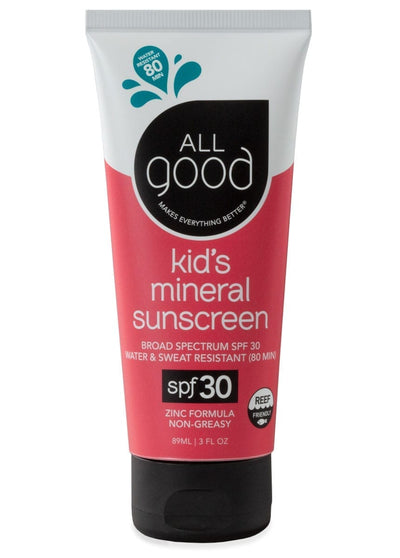
Mineral sunscreens typically contain zinc oxide or titanium dioxide. They sit on the skin's surface and reflect UV radiation away from the skin. These formulations are often well tolerated by sensitive skin and begin providing protection immediately after application.
While older formulations were known for leaving a noticeable white cast, many newer products have significantly improved in both texture and appearance.
Nano vs. Non-Nano Minerals
Within mineral sunscreens, the terms "nano" and "non-nano" refer to particle size.
Non-nano particles are larger and tend to remain on the skin's surface but may be more visible after application. Nano particles are smaller, making products easier to apply and more transparent on the skin. There is ongoing discussion surrounding their environmental impact and absorption potential, though both are considered safe when used in approved formulations.
Does Sunscreen Block Vitamin D Production?
A common concern is that sunscreen completely prevents vitamin D production. In practice, this is unlikely.
Most people do not apply sunscreen perfectly or consistently enough to block all UVB exposure. Additionally, incidental sun exposure occurs throughout daily life while walking, driving, exercising, or spending time outdoors.
A Balanced Approach to Sun Exposure
Rather than viewing sunlight as either entirely beneficial or harmful, a more balanced approach may include:
- Short periods of daily morning sunlight exposure without sunscreen
- Limited and intentional midday exposure if vitamin D production is a priority, while being mindful of burn risk
- Sunscreen use during prolonged outdoor activities or periods of high UV intensity
- Protective clothing, hats, sunglasses, and shade as primary long-term sun protection strategies
For those looking for a more natural-leaning option, Tanit Sunscreens offers mineral-based sunscreen formulations with simple ingredient profiles while still providing broad-spectrum UV protection. These products may be particularly appealing to individuals with sensitive skin or those who prefer to avoid conventional chemical UV filters.
The key is not to avoid sunlight altogether, but to use it wisely: enjoy regular, intentional exposure while protecting your skin when exposure becomes prolonged or intense.